

Employers are increasingly looking for graduates who can do more than demonstrate technical knowledge. They need people who can adapt, communicate clearly, solve problems in real time, and contribute in environments where expectations continue to evolve.

That shift is changing how universities must think about preparation.
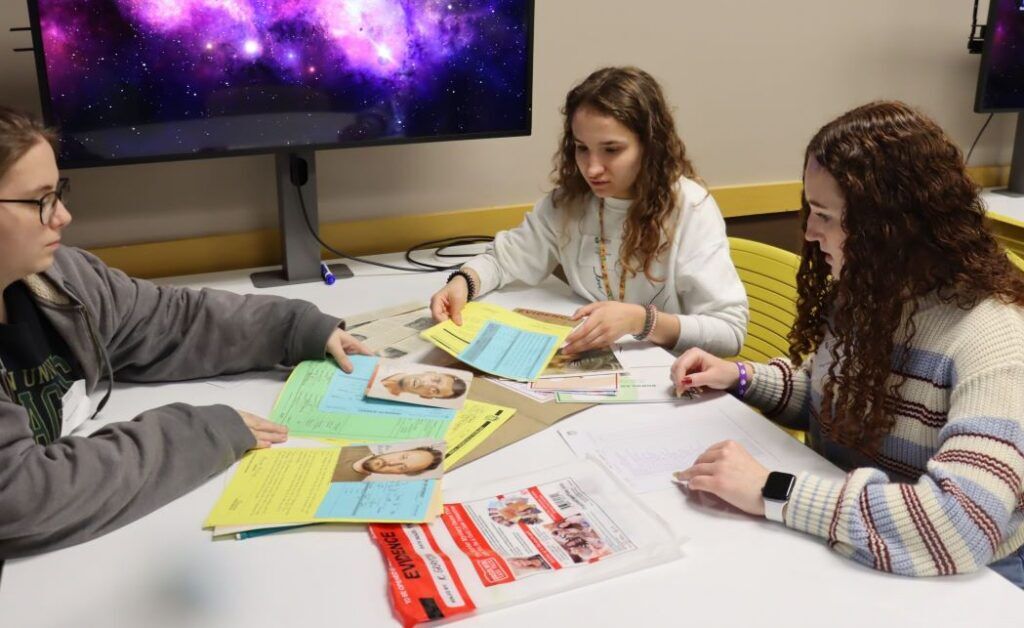
At Tiffin University, we have focused heavily on creating opportunities for students to apply what they are learning before they enter the workforce. Experiential learning, undergraduate research, fellowships, and career-connected academic experiences help students build confidence and judgment alongside technical skills.
Students in programs like the Dragon Flight Fellowship are working through real operational questions tied to drone delivery systems, logistics, and safety. Others are contributing to undergraduate research or participating in investigative work connected to active criminal justice cases.
These experiences matter because employers increasingly value graduates who understand how to apply knowledge in dynamic environments.
Currently, 98.3 percent of Tiffin University undergraduate alumni achieve a career outcome, which is 13 percent higher than the national average. That outcome reflects more than placement. It reflects preparation.
The conversation around higher education often focuses on access, affordability, and enrollment trends. Those conversations matter. But institutions must also remain focused on what students are ultimately prepared to contribute once they leave campus. In a changing economy, the institutions that stand out will be the ones that prepare students not only to enter the workforce, but to adapt and grow within it.