

Higher education has long measured success through enrollment, rankings, fundraising, and market position. Those measures remain important, but they tell only part of the story.
As institutions navigate demographic shifts, workforce disruption, financial pressures, and changing student expectations, another question deserves equal attention:
How many opportunities are we creating?
That question changes how we think about leadership, partnerships, and ultimately, our mission.
For decades, colleges and universities have competed for students, faculty, resources, and reputation. Competition has helped drive innovation and excellence. But many of the challenges facing higher education today cannot be solved by competition alone.
Workforce readiness, educational access, student persistence, and community vitality require collaboration.
That collaboration begins within our own institutions.
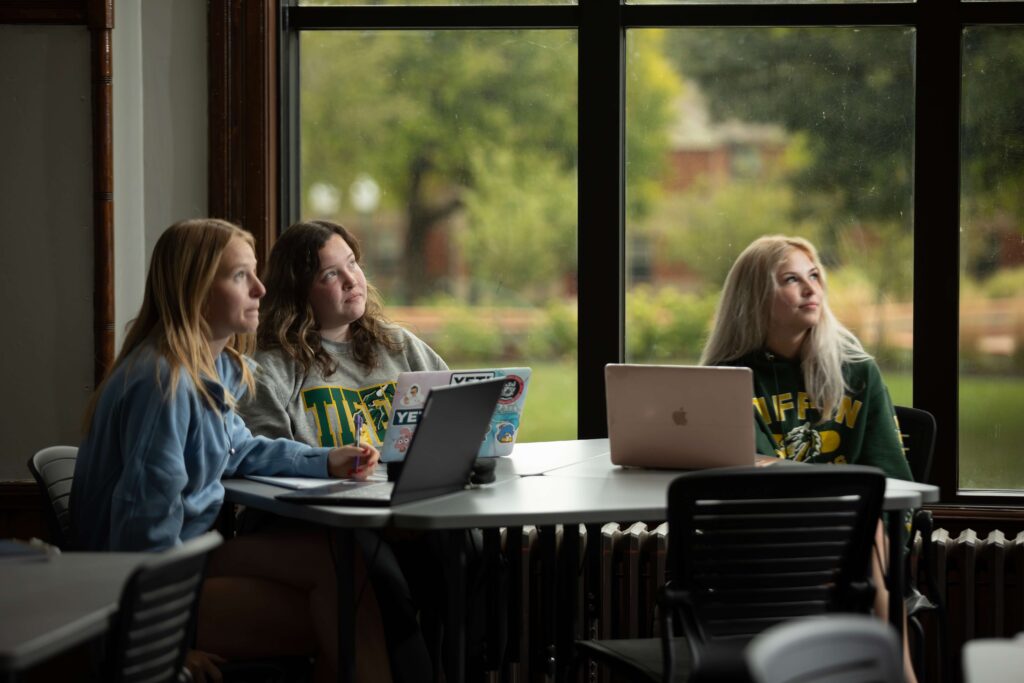
Students experience their education as one continuous journey. They don’t distinguish between admissions, advising, financial aid, career services, student affairs, or academics. Yet universities have traditionally organized these functions into separate offices, each working toward student success but often operating independently.
When those areas work together, the student experience changes.
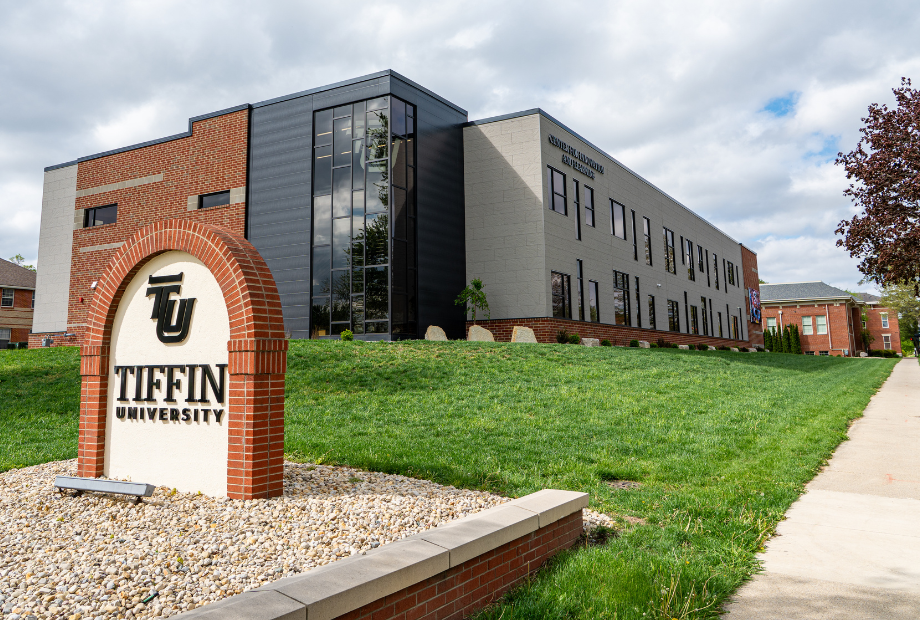
At Tiffin University, that philosophy led to Dragon Pathways, an institution-wide student success model designed around a simple idea: students who can clearly see their pathway from enrollment to graduation and career are more likely to persist, graduate, and thrive.
Rather than treating support services as separate functions, Dragon Pathways connects onboarding, advising, experiential learning, career readiness, student engagement, and academic support into one coordinated experience. The result is stronger collaboration across the university and, more importantly, better outcomes for students.
The same philosophy extends beyond our campus.
Community college partnerships create more seamless transfer pathways, so students don’t lose momentum pursuing their degrees. International collaborations expand opportunities for students and faculty while strengthening our global perspective. Universities are increasingly partnering with employers and communities to respond to workforce needs, economic transitions, and emerging industries.
Across higher education, conversations around shared services and shared positions are also gaining momentum. While these models are often discussed through the lens of efficiency, they also reflect something much larger: a willingness to leverage collective strengths in service of students.
None of these collaborations diminish institutional identity, they expand institutional impact.
That distinction matters because collaboration is sometimes misunderstood as a response to scarcity. Increasingly, it should be viewed as a strategic choice.
The strongest institutions of the future will continue to differentiate themselves. They will compete where competition drives excellence and innovation.
They will also recognize that some challenges are simply too important to solve alone.
Educational access. Workforce readiness. Economic mobility. Student success.
These outcomes rarely belong to a single institution. They are created by networks of educators, employers, community partners, and institutions working toward a common purpose.
Higher education has never existed simply to sustain institutions. It exists to create opportunities.
The colleges and universities best positioned for the future may be those willing to measure success not only by what they own, but by what they enable.
In the years ahead, that may become higher education’s greatest competitive advantage.