
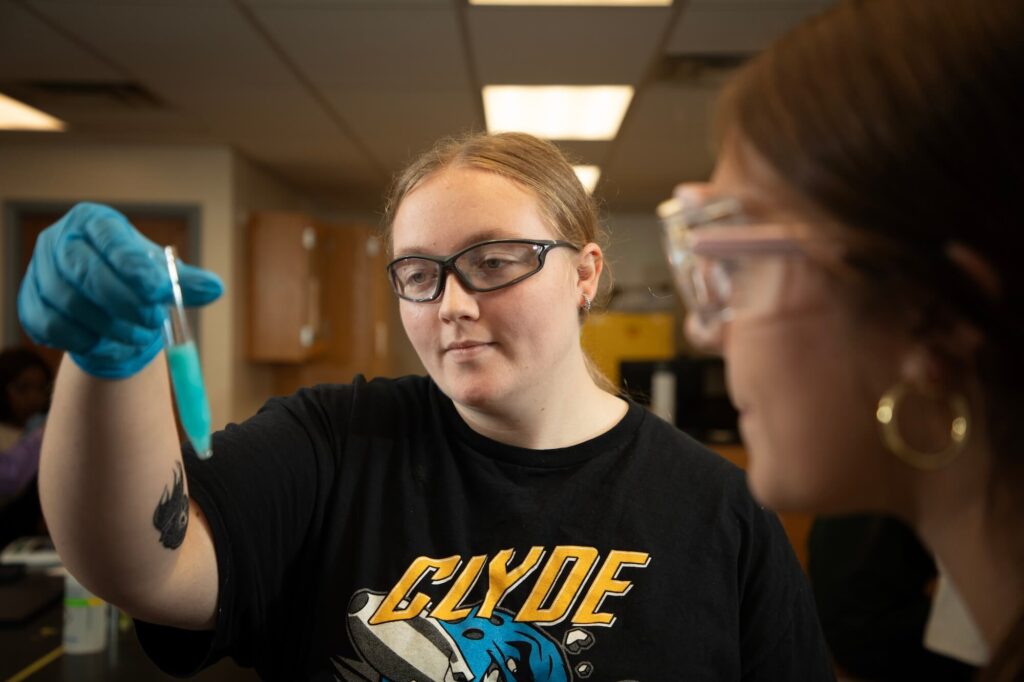
When you’re researching colleges, it’s easy to focus first on the big-picture factors like majors, campus size, location and student life, and all of those things matter. At the same time, one of the most important questions to ask is what your college experience will actually look like once classes begin and how often you’ll have the chance to apply what you’re learning in real settings.
Hands-on experience can make a major difference because it helps connect what you learn in class to the kinds of challenges, projects and responsibilities you may face after graduation. If you want a college experience that feels practical, engaging and connected to real career preparation, it’s worth paying close attention to how students gain hands-on experience throughout their time on campus.
What Is Hands-On Experience?
Hands-on experience means learning by doing. Instead of only reading about a subject or hearing about it in lectures, students actively practice skills, solve problems, work on projects and apply what they’re learning in settings that feel connected to the real world. In college, that can take many forms, including labs, internships, fieldwork, simulations, production work, case analysis, research and other opportunities that make learning more active and practical. Rather than staying at the level of theory alone, students get the chance to see how ideas, tools and techniques work when they’re applied to real situations.
Hands-on experience also helps students understand how their interests connect to future careers. A student in criminal justice might work through investigative scenarios, a student in media might create content and build a portfolio, and a student in business might take on projects tied to real organizations or community challenges. Experiences like these help students build confidence, strengthen communication and problem-solving skills and leave college with a clearer sense of how their education connects to the professional world.
How Does Hands-On Experience in College Help with Career Preparation?
Hands-on experience helps students prepare for careers because it gives them the chance to use their skills in ways that feel practical and connected to the work they may want to do after college. When students apply what they’re learning, they often develop a stronger understanding of the subject while also gaining a clearer sense of how their interests may connect to future career paths. At Tiffin University, that kind of learning is part of the student experience across many academic areas, and fellowship programs create even more opportunities for students to build experience through real-world applications.
Criminal Justice and Investigative Work
For students interested in criminal justice and related fields, hands-on experience can make a major difference because it gives them the chance to engage with the kind of work they may pursue after graduation. TU’s Cold Case Fellowship Program allows students to work on actual cold cases, develop leads, examine files and make recommendations for further investigation while also building investigative skills, critical thinking, communication, teamwork and leadership in an environment tied to real criminal justice work.
TU also offers the Violent Crime Analysis Fellowship Program, which provides an immersive, four-year experience centered on studying violent criminal behavior. Students work with real data sets and open-source information, contribute to research, build leadership and communication skills and support evidence-based violence prevention practices. As they move through the fellowship, students take on greater responsibility through research projects, internships, conference participation and publication opportunities, which gives them more experience applying what they’re learning in professional settings.
Business, Innovation and Entrepreneurship
Hands-on experience matters in business, especially for students who want to lead, solve problems and create something of their own. TU’s Innovation Fellowship Program offers a multi-year experience that moves beyond the traditional classroom and into real business challenges, mentorship and venture development.
Students in the fellowship build relationships with business leaders, entrepreneurs and mentors while working in the Gary and Laura Robinette Center for Entrepreneurship. Along the way, they develop ideas, solve real-world problems, contribute to the surrounding community and even work toward launching ventures of their own. As the fellowship progresses, students move from foundational exposure and networking into more advanced work such as consulting projects, business development and capital acquisition.
Media, Broadcasting and Content Creation
For students who want to work in media, hands-on experience is especially important because it helps them build skills while also creating work they can show to future employers. TU’s Sports Media Fellowship Program offers a four-year experience that combines real-world media production with leadership development and structured professional growth.
Students in the program gain experience in live sports production, visual storytelling and digital media while working alongside TU Athletics, digital media majors and sports broadcast crews. Over time, they take on more advanced responsibilities, moving from foundational broadcast roles into leading event crews, mentoring younger students and producing major capstone projects. Students who complete the fellowship graduate with advanced production experience, leadership skills, a professional portfolio and demo reel and exposure to industry networks.
Drone Technology and Applied Innovation
Some students want a college experience that feels highly applied from the start, especially if they’re interested in fast-growing technical fields. TU’s Dragon Flight Fellowship Program allows students to build experience through real-world applications in drone technology while preparing for leadership in areas such as public safety, research, environmental monitoring, storytelling, logistics and infrastructure.
Students in the fellowship gain hands-on experience with drone operations, FAA regulations, mapping, imaging, teamwork, research and project management. They also work with real community and state partners, including police, emergency management, fire and environmental agencies. As they move through the program, students take on more advanced projects in areas such as accident reconstruction, disaster assessment, thermal imaging, environmental surveys and stakeholder-based research.
Hands-On Experience at TU
At Tiffin University, hands-on experience is part of how students learn across a wide range of academic programs and fellowship opportunities. Whether your interests are in criminal justice, business, media, drone technology or another field, TU gives students the chance to apply classroom knowledge in real settings, build practical skills and gain experience that feels connected to the future they want to pursue.
If you’re looking for a college where learning goes beyond lectures and gives you opportunities to practice, create, lead and solve problems, TU offers an environment designed to help you grow in meaningful ways. Explore TU’s bachelor’s programs to see how hands-on experience can shape your college journey and support your future career.